Understanding CBD, Hemp, and High-Risk Payments
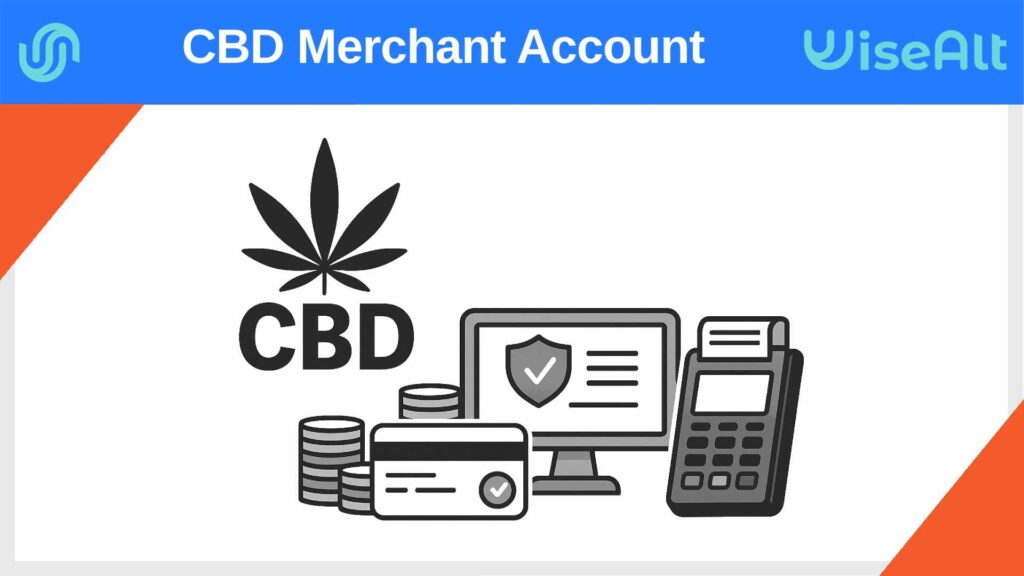
CBD merchant account considered to be high risk.
CBD (cannabidiol) is a naturally occurring compound found in the hemp plant, a variety of Cannabis sativa. Unlike THC (tetrahydrocannabinol), CBD is non-psychoactive, meaning it doesn’t produce the “high” typically associated with marijuana.
CBD has gained popularity as an ingredient in wellness products like oils, capsules, topicals, and even food supplements. It is marketed for potential benefits such as pain relief, stress management, and skin health.
However, CBD is considered a high-risk product in the payments industry, requiring businesses order a CBD merchant account with specialized high-risk payment processors.
Is CBD Legal to Sell? Understanding Global Regulations
The legality of selling CBD depends on the country, product type, and THC content.
✅ United States:
- The 2018 Farm Bill removed qualifying hemp from the federal marijuana definition; it did not authorize every CBD product. FDA explains the remaining product restrictions.
- The federal hemp definition is scheduled to change on November 12, 2026. Review the statutory amendment and its effective-date note when assessing product eligibility and processing plans.
- State rules also vary by product and destination. Meeting a federal hemp threshold alone does not establish that a particular CBD product can be sold in every state.
✅ Europe:
- European rules depend on the product category and destination market; a cultivation THC threshold is not a general authorization to sell CBD products.
- For food and supplements, CBD falls under the EU Novel Food framework. EFSA assesses safety; authorization is handled through the European Commission.
- The UK has a separate CBD food framework. Check the FSA guidance for public-list conditions and differences between England and Wales, Scotland, and Northern Ireland.
✅ Canada:
- CBD is regulated under the Cannabis Act. Production, retail sale and cross-border movement have different authorization requirements; Health Canada explains the applicable licensing and sales rules.
✅ Asia, UAE, and Others:
- Rules vary across Asian and Middle Eastern markets. Japan, for example, applies residual THC limits to cannabinoid products; see MHLW guidance. Check the relevant national rules before planning sales or payments.
Businesses must navigate these regulatory frameworks and understand the high-risk nature of CBD sales.
Why Merchants Need a High-Risk Merchant Account CBD
CBD businesses face unique challenges that make them high-risk in the eyes of banks and payment processors:
- Legal Uncertainty: Regulations change frequently across jurisdictions.
- Product Classification: Rules differ by market and intended use. In the U.S., FDA excludes CBD from the dietary supplement definition and prohibits adding CBD to food introduced into interstate commerce.
- High Chargeback Risk: Customers may dispute charges due to health claims, shipping delays, or misunderstanding of legal status.
- Advertising Restrictions: Platforms like Google Ads, Meta, and TikTok limit CBD advertising, making marketing more complex.
Merchants researching Stripe, PayPal or Square for CBD payment processing should compare current product and country policies rather than assume that a standard account covers CBD sales. For example, Shopify Payments and WooPayments exclude CBD, while compatible third-party providers may consider eligible businesses after review. A storefront integration alone does not establish approval. Merchants should confirm current eligibility when comparing:
- CBD merchant accounts
- CBD payment gateways
- CBD payment processors.
How to Open a CBD Merchant Account
Step-by-Step Process:
- Choose a high-risk processor experienced with CBD.
- Prepare compliance documents:
- Business license
- Certificate of Analysis (CoA) from third-party labs
- Product descriptions and labelling
- Website terms, privacy policy, and refund policy
- Complete a high-risk merchant application.
- Undergo underwriting and risk assessment.
- Integrate the payment gateway into your website. For platform-specific checks, see WooCommerce setup or the Shopify third-party provider checklist.
- Set up fraud and chargeback protection tools.
Alternative Solutions: Nutraceutical Merchant Accounts
CBD is often grouped with nutraceuticals like vitamins, supplements, and adaptogens. These industries face similar challenges:
- Regulatory oversight (FDA, EFSA)
- Product claims and disclaimers
- Chargeback risks
If you sell CBD alongside nutraceuticals, review the nutraceutical merchant account requirements alongside your provider’s CBD policy. Approval for non-CBD supplements does not by itself cover CBD products.
External Resources for CBD Regulation
For businesses selling CBD products, it’s crucial to stay compliant with global regulatory standards. Here are some helpful resources:
- FDA – U.S. Food and Drug Administration – For U.S. businesses selling CBD products, the FDA provides guidance on legal compliance and product safety.
- EFSA – European Food Safety Authority – Provides CBD novel-food safety assessments; market authorization is handled through the European Commission.
- Health Canada – Cannabis Licensing – The regulatory body for cannabis and CBD products in Canada, outlining licensing requirements and compliance rules.
- MHRA – Medicines and Healthcare products Regulatory Agency (UK) – Explains when CBD products making medicinal claims are considered medicinal products.
- AOAC International – Standards for CBD Testing – AOAC International provides industry standards for CBD product testing to ensure quality and compliance.
Final Thoughts: Secure Your CBD Payment Processing
A CBD merchant account is essential for businesses selling hemp-derived CBD products. Understanding the legal landscape, working with specialized high-risk payment processors, and ensuring compliance will help you accept payments confidently and avoid disruptions.